Immagina di camminare su strade lastricate fiancheggiate da edifici storici mentre annusi l’aroma dei pasticcini appena sfornati nelle panetterie locali. Ascolta il ritmo vibrante del tango che riempie l’aria di Buenos Aires, pulsando al tuo passaggio. Conversa con gli amichevoli abitanti locali che ti accoglieranno calorosamente nella loro comunità, pronti a condividere storie e risate fino alle prime luci dell’alba.
Lasciati incantare dalla maestosità delle Cascate dell’Iguazú, uno spettacolo naturale mozzafiato dove migliaia di litri d’acqua cadono violentemente in cascate altissime, creando arcobaleni scintillanti e nebbia fresca che bagna dolcemente la pelle. Esplora la regione settentrionale di Salta, ricca di colori vivaci e sapori audaci offerti dai suoi piatti tipici, come l’empanada speziata o il locro corposo.
Scopri la bellezza selvaggia della Terra del Fuoco, l’ultimo baluardo meridionale prima dell’Antartide, dove ghiaccio e fuoco convivono armoniosamente. Ammira lo straordinario fenomeno della Convergenza Antartica, dove acque oceaniche di temperature contrastanti si scontrano generando tempeste perfette per gli avventurosi surfisti. Non dimenticare di assaporare un bicchiere di pregiatissimo Malbec prodotto dalle fertili regioni vinicole di Mendoza, considerate tra le migliori al mondo.
Questa è soltanto una piccola parte di ciò che l’Argentina ha da offrire; un Paese ricco di fascino e mistero, dove ogni angolo nasconde sorprese pronte ad essere scoperte. Quindi non indugiare oltre e immergiti completamente in questa esperienza travolgente che solo l’Argentina può darti!
Clima: Il clima argentino è fortemente influenzato dalla conformazione orografica e dalla posizione del paese collocato nella porzione più sottile del Sud America. Come conseguenza di questa sua posizione, presenta un clima continentale piuttosto moderato. La Cordigliera delle Ande la proteggono dalle influenze dell’oceano pacifico, mentre l’oceano atlantica influenza soprattutto le aree del nord del paese. I territori della PAMPA ARGENTINA costituiscono un’area climatica piuttosto caratteristica, collocata nella sua zona centrale. Questa regione risulta anche dal punto di vista produttivo ed economico la parte più importante dell’intera nazione. E’ caretterizzata da un clima temperato, anche se in certe zone le precipitazioni sono scarse. Nella regione della Pampa si passa dai 1.000 mm della costa (pampa húmeda) ai 600 mm dell’interno (pampa seca), dove si ha un clima temperato steppico, con estati assai calde ed inverni miti. L’estenzione latitudinale del paese (dai 22° ai 55° sud) condiziona molto le condizioni climatiche che variano sensibilmente dal nord al sud del paese. Nell’ area “Mesopotamia” il clima subtropicale monsonico non presenta stagioni asciutte.Ha una caratterizzazione tropicale con estati calde o molto calde ed inverni miti. Nel “Chaco”, il clima si presenta tropicale o subtropicale con estati calde ed inverni miti. Si arriva ad avere una piovosità di non oltre 500 mm di precipitazioni nel corso dell’anno. Nel settore occidentale, il clima è tipicamente tropicale, caratterizzato d’inverno da una lunga stagione secca. L’Argentina meridionale è l’unica area sottoposta all’azione dei venti del Pacifico. Questi venti in tutta la lunghezza del paese sono fermati dalla barriera delle Ande.
La regione Andina risente naturalmente dell’altitudine e presenta i caratteri tipicamente montani con forti escursioni termiche in particolare inverni assai rigidi. Nella Puna e in genere nelle Ande settentrionali l’aridità caratterizza il territorio andino, mentre a sud della catena, a causa dell’abbamento dei massicci andini fino all’estremo assottigliarsi del territorio, prevale il clima oceanico con piovosità assai abbondante. Nelle regioni dell’ Est del paese, ossia dall’oceano atlantico le masse d’aria messe in movimento dall’anticiclone meridionale investono direttamente solo la parte più settentrionale del paese, dove, al confine con gli altopiani brasiliani si verificano le precipitazioni più abbondanti, con massimi intorno ai 1.800 mm annui. La Patagonia ha un clima subdesertico, contraddistinto da inverni assai rigidi, escursioni termiche molto alte e precipitazioni tra i 200 e i 400 mm annui. Nella Terra del Fuoco, all’estremo sud le piogge aumentano per l’ influsso del Pacifico, mentre le temperature si abbassano sensibilmente (media annua di 5° C); qui il limite delle nevi perenni, scende a 1.000 m s.l.m. in corrispondenza dello stretto di Magellano.
Sintesi degli eventi epidemici recenti più rilevanti per chi viaggia in Argentina, con territori colpiti, stato dell’allerta e fonti.
2.1 Dengue — epidemie 2023–2024 e stagione 2025/2026
Periodo: emergenza sanitaria dichiarata il 27 dicembre 2023; epidemie record 2023 e 2024; stagione 2025/2026 in calo.
Territori: Nord e Centro fino a Buenos Aires (CABA), Córdoba, Santa Fe, Tucumán; trasmissione autoctona confermata anche a Salta.
Stato attuale: circolazione a bassa intensità nazionale ma persistente, con DENV-1, DENV-2 e DENV-3; PAHO mantiene l’allerta regionale (outbreak multi-Paese di grado elevato nelle Americhe).
Fonti: PAHO/OPS Epidemiological Updates; Ministerio de Salud de Argentina (Boletín Epidemiológico Nacional); ECDC; ProMED.
2.2 Hantavirus (virus Andes) — stagione 2025/2026
Periodo: stagione luglio 2025–giugno 2026, con incidenza sopra la soglia epidemica.
Territori: Buenos Aires, Salta, Santa Fe, Chubut, Río Negro, Entre Ríos, Jujuy.
Stato attuale: oltre 100 casi confermati e diverse decine di decessi ai report primaverili 2026; letalità in aumento. Il virus Andes è l’unico hantavirus con trasmissione interumana documentata.
Fonti: PAHO – Epidemiological Alert Hantavirus (dic. 2025); NaTHNaC/TravelHealthPro; Ministerio de Salud; stampa internazionale (correlazione con i cambiamenti climatici).
2.3 Chikungunya — focolai 2026 nel Nord-Ovest
Territori: NOA (Salta, Tucumán, Jujuy) come epicentro, con espansione a Catamarca, Santiago del Estero, Córdoba, Buenos Aires e CABA.
Stato/Fonti: focolai attivi in stagione estiva; Ministerio de Salud, PAHO, ProMED.
Altre segnalazioni. Febbre gialla: nella stagione in corso solo casi sospetti, nessuno confermato (ultimi casi confermati nel 2018, importati dal Brasile). Morbillo: allerta globale per la risalita dei casi — mantenersi in regola con MPR.
Durante il tuo viaggio in Argentina sarai colpito dalla bellezza degli ambienti e dalla diversità biologica dal nord all’estremo sud del paese. La grande varietà degli ambienti è presente lungo tutto il suo territorio, Dal Nord al Nordest del paese troverai la regione chaqueña: una grande pianura boscosa con clima prevalentemente subtropicale tendente al tropicale. La regione denominata Mesopotamia è circondata da due grandi fiumi, il Paranà e l’Uruguay, e caratterizzata da aree paludose con una flora ed una fauna particolarmente abbondante e varia. Al Centro ed al Sud l’Argentina si estende per quasi 3700 km da nord a sud e può essere divisa in quattro parti caratterizzate da una grande varietà di paesaggi, dalle immense pianure alle alte montagne andine. Dalla fredda Patagonia innevata, alle spiagge dell’Oceano Atlantico, alla regione delle Ande. Questi diversi territori offrono paesaggi mozzafiato e un’ampia varietà di attività di ogni tipo.
Alcuni consigli sanitari preliminari
Viaggiando per l’Argentina sarà opportuno arrivare protetti da una serie di vaccinazioni, che ti consentono di affrontare il viaggio senza problemi e preoccupazioni. Troverai nella sezione dedicata alla prevenzione e profilassi vaccinale tutti i consigli opportuni.
Qui voglio anticipare la necessità di effettuare la vaccinazione per la febbre gialla da parte di chi arriva da altri paesi dell’America Latina e Centrale, e per chi si reca nelle aree tropicali a nord del paese. Il virus può essere trasmesso dalla puntura di zanzare del tipo Aedes Aegypti, infettatesi da scimmie portatrici sane del virus, anche se l’evento è particolarmente raro ma da non escludere. La vaccinazione per la dengue è un’altra vaccinazione particolarmente consigliata, e tutti i viaggiatori dai 4 anni in su dovrebbero pensare seriamente ad effettuare questo vaccino. Il QDENGA è oramai considerato un vaccino salva vita. Costituito dai 4 virus, vivi attenuati, modula il sistema immune, nei confronti della malattia ed è destinato sia a chi ha avuto la malattia sia a chi non avendola avuta si deve proteggere dall’infezione di questo virus.
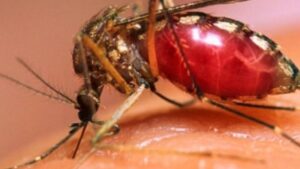
OMS ha dichiarato l’Argentina malaria free dal maggio 2019 – vedi nostro articolo sull’argomento ; nonostante questo possiamo affermare che il rischio malaria in alcune aree sotto i 1500mt delle province di Salta al confine con la Bolivia e nelle province di Chaco, Corrientes e Misiones vicino al confine con il Paraguay e il Brasile è molto basso ma ancora esiste. Questo per problemi di malaria da trasporto (automezzi) e di contiguità (vicinanze aree infette negli altri stati). Non c’è rischio di malaria nell’area geografica delle Cascate di Iguaçu. La protezione dalla puntura degli insetti è la prima regola preventiva fortemente consigliate per le malattie mensionate e per altre a trasmissione vettoriale. Tra i repellenti più attivi, quelli naturali a base di “olio di Neem”, il NOZETA, sono quelli da preferire, per le lunghe somministrazioni, ai neonati e bambini, a chi ha pelli sensibili e delicate. PER INFO CLICCA QUI
Una corretta informazione, una sana prudenza e la consapevolezza dei propri limiti: sono pochi gli ingredienti per far riuscire bene un viaggio, renderlo indimenticabile e non trasformarlo in brutto ricordo. Anche se banali, ricordiamo a tutti i viaggiatori alcune raccomandazioni che in certi contesti perdono la loro ovvietà e che diventa quasi obbligatorio seguire.
Naturalmente, non dimentichiamo che in presenza di particolari patologie specifiche bisogna ricorrere ai preziosi consigli del medico esperto, che saprà consigliarci al meglio.
Al rientro a casa
Quando rientri da un viaggio non ti trascurare e ricorda questi semplici consigli che tutelano te e chi ti circonda, a casa o in ambiente di lavoro. Il viaggio genera sempre uno stress, anche se l’obiettivo è quello di rilassarsi, conos…
Chi deve vaccinarsi per la febbre gialla
La vaccinazione contro la Febbre Gialla o Vaccino Antiamarillico, malattia virale acuta, che si trasmette tramite puntura di zanzara, è l’unica pratica preventiva che può essere richiesta obbligatoriamente dalle autorit&agra…
Come evitare di ammalarsi
Dai tempo al tuo organismo di ambientarsi al nuovo clima ed al nuovo ambiente. Prima del viaggio, se possibile, dedica alcune ore alla attività fisica, e abitua il tuo organismo ai nuovi ritmi durante il viaggio. Progra…
Il mal di montagna
Il mal di montagna è un insieme di sintomi che si può manifestare quando l’organismo umano, superati i 2500 metri di altitudine, non si è ancora adeguato alla nuova situazione ambientale. Possiamo definire l’alta…
In valigia
Montagna o mare, safari e avventura o vacanza di tutto riposo, caldo o freddo: devi preparare il tuo bagaglio con cura, attenzione, senza esagerare e soprattutto prevedendo… l’imprevedibile. Ricorda sempre: abbigliamento appropriato al clima…
La malaria, attenzione!
La malaria è una malattia infettiva, acuta, spesso ma non sempre febbrile, talvolta caratterizzata da pochi sintomi ma sempre con presenza di grande stanchezza, può essere fortemente debilitante, provocando anemia talvolta grave…
Nuotare con precauzione
Per prevenire l’eventuale trasmissione di malattie infettive, è opportuno nuotare esclusivamente in piscine con acqua clorata. L’acqua del mare è sicura. Fare il bagno in acque contaminate può essere peric…
Zanzare & Co. – Come proteggersi
Le zanzare che trasmettono malattie diverse dalla malaria sono attive durante il giorno ed ovunque vi sia una raccolta di acqua dolce: indossare abiti di colore chiaro, coprenti e con maniche lunghe, pantaloni lunghi ; una zanzariera, ben scelta e pretrattata con repellenti, è utile sia all’aperto che al chiuso; infine, l’utilizzo di un idoneo repellente, dannoso solo per gli insetti, da spruzzare sulle parti scoperte del corpo, e anche sui vestiti, più volte durante il periodo di permanenza nelle aree a rischio.
La vaccinazione della Febbre Gialla è obbligatoria ed è richiesto un certificato ufficiale di vaccinazione contro la Febbre Gialla per entrare nel paese solamente ai viaggiatori di età superiore ad 1 anno provenienti dalle nazioni dove la malattia è endemica o dove sono stati denunciati casi umani di malattia. Dal Brasile la vaccinazione è obbligatoria da chi proviene dagli stati di Minas Gerais, Espirito Santo, Sao Paulo, e Rio de Janeiro, incluso il transito per più di 12 ore in un aeroporto in questi stati. Per chi viene dall’Europa ed in particolare dall’Italia, dagli USA e CANADA e dagli altri paesi dove non esiste la presenza del virus, LA VACCINAZIONE NON E’ INDICATA NE’ CONSIGLIATA.
Vaccinazioni consigliate
DENGUE
Da oltre un anno è stato approvato in Europa ed in Italia il vaccino contro la DENGUE (QDENGA di TAKEDA) e dal mese di aprile 2023 in Italia, presso il Cesmet è stato effettuato questo vaccino che ha dimostrato in tutte le classi di età somministrato una buona efficacia ed anche una sicurezza. Il vaccino, realizzato con i 4 tipi del virus dengue, vivo attenuato, realizza una ottima copertura immunologica fin dalla sua prima somministrazione. Dopo 3 mesi è prevista la seconda dose che aumenta l’efficacia e prolunga la copertura immunitaria a 3 anni, probabilmene fino a 5, e la cosa è ancora sotto studio. (PER APPROFONDIRE SUL VACCINO CLICCA QUI)
La Repubblica Dominicana confina con Haiti, paese che dal 2010, dopo il terremoto, è considerato il motore primo della diffusione delle epidemie di colera in tutti i caraibi e nei paesi del golfo del Messico. Gravi epidemie di colera si sono ripetute diffondendosi anche nella Repubblica Dominicana. (VEDI) – La vaccinazione PER IL COLERA non è obbligatoria, ma va presa in considerazione a seconda del tipo di viaggio e di permanenza, ma soprattutto in base alla situazione epidemiologica del paese al momento del viaggio. La nuova formulazione “orale” delvaccino anticolera protegge ora anche dalle infezioni intestinali provocate da molti agenti enterotossici che provocano la “diarrea del viaggiatore”. Il vaccino è quindi consigliato per i viaggi in molti paesi del mondo.
Assicurati di aver effettuato tutte le vaccinazioni previste dal Sistema Sanitario Nazionale. Queste prevedono: tetano, difterite, polio, pertosse, haemophilus B, epatite B, morbillo, parotite, rosolia, varicella.
ALTRE VACCINAZIONI
MENINGITE ACWY
in alcune occasioni e per viaggi dove il contatto con la popolazione può essere ripetuto e prolungato, anche per motivi di lavoro, si consiglia di effettuare la vaccinazione contro i 4 tipi di maningococco ACWY RABBIA
nell’isola sono denunciati casi di animali rabidi, soprattutto cani selvaggi non controllati e vaccinati e diversi animali selvatici tra cui volpi, pipistrelli ed altri tipi di canidi. Per chi si reca nell’isola e avrà la possibilità, per tipo di lavoro, o soggiorni particolari, di venire a contatto con animali a rischio, vale la pena fare la vaccinazione della rabbia
Approfondimenti sulla malaria
CHE COSA E’
La Malaria è una malattia infettiva, acuta, presente nel paese, molto legata agli’ ambienti umidi, piovosi, alle stagioni ed alle condizioni meteorologiche. Controlla prima di partire l’itinerario del tuo viaggio e le condizioni meteo delle aree dei tuoi soggiorni. Ricorda che la Malaria è una malattia potenzialmente grave ed anche fatale. Non sottovalutarla. E’ possibile prevenirla con una attenzione al vestiario che ti copra le parti scoperte al tramonto e la notte, all’utilizzo di repellenti e all’ utilizzo di adeguati farmaci per la profilassi, nelle stagioni di maggior rischio. Per approfondire leggi la scheda sulla malaria
NEL PAESE
La MALARIA, trasmessa dalle zanzare del tipo Anopheles, è presente in molti territori del paese. La trasmissione della malaria avviene principalmente nelle province vicino al confine con Haiti e nelle province di La Altagracia (che include le aree turistiche di Bávaro e Punta Cana), San Cristóbal, San Juan e Santo Domingo. Nella città di Santo Domingo (capitale), nel Distrito Nacional, la trasmissione è stata segnalata nelle aree di Los Tres Brazos e La Ciénaga.La trasmissione è rara in altre località. La specie di malaria presente nella Repubblica Dominicana, Plasmodium falciparum, rimane sensibile in particolare a DOXICICLINA 100mg; segnalata una ripresa di attività anche della clorochina, non utilizzata per decenni. Si raccomanda la chemioprofilassi antimalarica per i viaggiatori diretti nelle province della Repubblica Dominicana con trasmissione documentata.
La malaria può diffondersi nel paeseper “contiguità” ovvero zone vicine alle aree considerate infette dalla malaria, o “per trasporto” ovvero per zanzare che vengono trasportate in tutta l’isola da pulman, macchine, camion ed altri tipi di trasporto.Per questi motivi e sistemi di diffusione il rischio malaria, anche se basso, è presente in tutta l’isola.
Non è notificata resistenza di P.falciparum a nessun farmaco antimalarico.
PROFILASSI
Doxiciclina, è un ottimo farmaco di scelta per i soggiorni sia in aree turistiche che in viaggi avventurosi, durante trekking e in caso di utilizzo di tende o residenze poco controllate. Farmaco per i soggiorni in residenze protette o aree di lieve rischio, sia per soggiorni a rischio elevato. Devi sapere che la “doxiciclina 100 mg”è un farmaco di scelta non solo per la prevenzione della infezione malarica ma anche per la prevenzione delle infezioni batteriche intestinali e cutanee e verso le infezioni causate da punture di zecca. Per le sue caratteristiche il farmaco è molto versatile, può essere infatti assunto per soggiorni brevissimi o brevi, alcuni giorni o settimane, ma anche nel lungo periodo,cioè per molti mesi. Ti ricordiamo che farmaci a base di tetracicline, compresa la doxiciclina, vengono assunti per oltre 1 anno da ragazzi che manifestano l’acne, cioè infezioni sul volto o tronco. Un farmaco sicuro, efficace, privo o con scarsi effetti collaterali. Ricordiamo che alle dosi di profilassi, 100 mg al giorno, gli effetti di sensibilizzazioni ai raggi solari, sono praticamente assenti. In ogni caso ricordiamo l’uso di creme solari. Farmaco di basso costo. Non è utilizzabile al di sotto dei 12 anni o in gravidanza, o in caso di allergia o intolleranza alle tetracicline. Si assume tutti i giorni, durante il pranzo, dalla entrata in area a rischio, per una settimana dalla uscita dall’area di rischio malarico.
Atovaquone-Proguanile, farmaco sul mercato da quasi 20 anni possiede ancora una buona copertura antimalarica per le forme resistenti alla clorochina, anche se sono state descritte da diversi anni forme di resistenza e di scarsa efficacia. Utile per l’utilizzo pediatrico, Utilizzato per periodi non superiori ai 30 giorni, ma utilizzabile fino a 60 giorni. Si assume una compressa tutti i giorni da 2/3 giorni prima di partire ad 1 settimana al rientro.
Meflochina, farmaco utilizzato da oltre 30 anni, Efficace in profilassi e in terapia. Efficace sia negli adulti che anche in età pediatrica. Efficacia e sicurezza dimostrata anche nelle donne in gravidanza. Utilizzabile in soggetti in buone condizioni di salute. Da non utilizzare nei cardiopatici, soggetti aritmici, neuro e psicopatici, in chi soffre di insonnia. Riferiti sintomi da irritabilità del sistema nervoso periferico e centrale. Da evitare in chi effettua immersioni, soggiorni in alta quota, voli aerei ripetuti e prolungati. Favorevole la modalità di assunzione che prevede una dose settimanale da una settimana prima di partire a 3/4 settimane al rientro.
Dall’11 agosto 2022 sono state revocate tutte le restrizioni relative al Covid-19 ai fini dell’ingresso nel Paese. Le varianti del virus anche a fine 2023 e nel primo trimestre 2024 continuano a circolare come nella maggior parte dei paesi di tutti i continenti. Le campagne vaccinali e le ripetute infezioni dal gennaio 2020 hanno consentito all’uomo di adattarsi alla presenza del virus e di rispondere con le proprie difese immunitarie. Nonostante questo stato di equilibrio tra virus ed organismo umano negli anziani, e nei portatori di patologie croniche il virus Sars-CoV-2 con le sue varianti può essere pericoloso e scatenare una reazione infiammatoria forte ed aggressiva. Opportuno eseguire i richiami vaccinali secondo le indicazioni fornite.
Dicembre 2023/Gennaio 2024 AUMENTANO I CASI DI DENGUE ANCHE IN MADAGASCAR
ambiente favorevole alla AEDES aegypti vicino alla costa
Dopo una prolungata siccità che ha colpito molte parti della “grande isola” durante la prima e la seconda parte dell’anno 2023, nell’ultimo trimestre 2023 e durante il mese di gennaio 2024 si è assistito al periodo di massima diffusione delle zanzare Aedes aegypti, il vettore delle arbovirosi presenti in Madagascar ed in particolare della febbre virale da Dengue. Questo è il periodo di maggiore rischio di contrarre la dengue sull’isola. E’ proprio durante l’estate australe, che va da ottobre a marzo, con il clima sempre più caldo, umido e piovoso, che aumentano le malattie a trasmissione da insetti.
Per quanto riguarda le specifiche aree geografiche… CLICCA QUI PER PROSEGUIRE
La malaria è da sempre endemica in tutto il Madagascar e l’intera popolazione è considerata a rischio di contrarre la malattia. Il rischio presente in tutte le zone del paese, incluse le aree urbane, a tutte le altitudini e durante tutto l’anno. Tuttavia, il rischio è maggiore lungo le coste. Le città e le grandi città presentano un rischio di infezione talvolta uguale se non maggiore alle zone periferiche e selvagge. I bambini e le donne incinte sono i gruppi più colpiti. In termini di stagionalità, il periodo di massima diffusione delle zanzare, e quindi di maggiore rischio di contrarre la malaria, è durante l’estate australe, che va da ottobre a marzo, quando il clima è caldo e umido. Per quanto riguarda le specifiche aree geografiche, la parte nord e le coste dell’isola sono le aree maggiormente interessate alla diffusione di zanzare Anopheles. Al contrario, gli altopiani, che rappresentano più di metà del territorio, sono meno colpiti dalla malaria. Tuttavia, ci sono alcune eccezioni, come l’isola di Nosy Be, dove il rischio …… CLICCA QUI per approfondire
Colera in Madagascar in aumento
10 FEBBRAIO 2024
Anche in Madagascar nell’ultimo semestre 2023 si è sviluppata una epidemia di colera in particolare nei sobborghi della capitale Antananarivo ed in altri villaggi, ed anche nell’altopiano malgascio e in diverse aree della costa. Grande attenzione sull’isola da parte delle autorità sanitarie dopo la grande epidemia del 1999.
La nuova epidemia, segnalata per la prima volta in Zambia nell’ottobre 2023, ha raggiunto 13 paesi dell’Africa orientale. In particolare Tanzania e Isole Comore, hanno visto una diffusione importante di casi di colera. La malattia si sta diffondendo
VIBRIO CHOLERAE
nuovamente anche in Madagascar. Situazione epidemiologica:
per evitare una nuova diffusione di casi di colera il Madagascar segue da vicino le epidemie di colera che si sono diffuse in vari paesi vicini, in particolare sulla costa orientale CLICCA QUI PER APPROFONDIRE
MARZO 2023 Morbillo
Come in molti paesi Africani si mantiene elevato il numero dei casi di morbillo denunciati in molte province del paese.
Nel solo mese di Gennaio i casi hanno superato i 10.000, quasi quanto la metà dell’intero anno precedente. La diffusione e la gravità della situazione hanno spinto le autorità locali a dichiarare lo stato di emergenza, anche in vista dell’approssimarsi del carnevale che radunerà in piazza e nelle strade milioni di persone. Ai viaggiatori diretti in zone a rischio è raccomandato il vaccino e grande attenzione a evitare le punture di zanzara. Approfondimenti sulla Dengue qui.
Dengue, Costarica– 2 febbraio 2024 . Il Ministero della Sanità del Costarica ha segnalato 1500 nuovi casi di Dengue confermati con i dati di laboratorio. Nel corso del 2023 sono stati segnalati 24.914 casi di Dengue ufficiali, mostrando un aumento significativo rispetto ai 7.485 casi denunciati nel 2022. Il numero dei ricoveri ospedalieri per Dengue nei primi 10 mesi dell’anno è raddoppiato a livello nazionale rispetto all’anno precedente.
Questo aumento elevato indica un’attività significativa della malattia virale in tutto il paese paese. Le zone più colpite dalla Dengue in Costa Rica includono la costa caraibica in particolare le regioni di Siquirres, Talamanca, Guacimo e Pococi, Sarapiqu).
L’Organizzazione Panamericana della Sanità (OPS) ha recentemente pubblicato varie valutazioni del rischio di infezione, in cui afferma che la Dengue è endemica nella maggior parte dei paesi del Sud America, dell’America Centrale e dei Caraibi. Nel 2023, le Americhe hanno registrato un aumento dei casi di dengue del 57% rispetto al 2022.
La Dengue in Europa non è ancora considerata endemica.
La maggior parte dei casi denunciati sono legati ai viaggi.
I casi autoctoni, da trasmissione locale, attraverso la puntura della zanzara Aedes albopictus, si manifestano nei paesi dell’area mediterranea. Dal 2010, sono stati segnalati casi autoctoni in diversi paesi dell’area mediterranea con un aumento in particolare nel 2023. Tra questi paesi, la Croazia, la Francia, Israele, l’Italia,….
La situazione oggi: i numeri dell’epidemia- 1 Agosto 2026
L’Health Protection Agency (HPA) delle Maldive pubblica dati mensili sulle malattie infettive. Il 2026 si è aperto con un’impennata che non ha precedenti recenti e che è proseguita per tutto il primo semestre.
La malattia virale da Dengue è un problema diffuso nella maggior parte dei paesi della fasci tropicale, equatoria, e non solo. I paesi asiatici sono praticamenti tutti coinvolti. Nelle MALDIVE la malattia virale da Dengue è endemica in molte delle isole e degli atolli. Nel 2023 la dengue si è diffusa in modo esponenziale. Oltre 500 casi segnalati all’inizio dell’anno in significativo aumento fino alla fine del 2023 con oltre 4000 casi segnalati e nessun decesso.
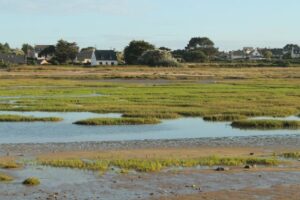
L’epidemia è aumentata con la presenza della zanzara vettrice, Ades Aegypti che si è diffusa nelle isole e negli atolli. Il Centre for Community Health and Disease Control (CCHDC), conduce periodicamente operazioni di disinfestazione volta ad eliminare i siti di riproduzione delle zanzare. Ma queste zanzare continuano a riprodursi nella maggior parte delle isole. I casi sono stati segnalati a Male e nelle isole circostanti. Frequenti le pozze d’acqua stagnante, habitat ideale per lo sviluppo delle larve.
Casi di Chikungunja e di Zika
Nel 2023 oltre alla dengue sono stati segnalati casi di virus Chikungunja e di Zika virus, virosi trasmesse dalla stessa zanzara.
Casi di malaria
Nessuna caso di malariaè stato denunciato e la malattia è stata eradicata da diversi anni.
La vaccinazione è obbligatoria per coloro che provengono da un paese a rischio di trasmissione ed hanno più di 9 mesi di età e per i viaggiatori che sono stati in transito per più di 12 ore in un aeroporto situato in un paese a rischio di trasmissione.
Non è indicata a coloro che provengono dai paesi dove non esiste rischio di trasmissione. Quindi dall’Italia, Europa, Nord America non c’è alcuna incicazione di effettuare il vaccino della febbre gialla.
Vaccinazioni consigliate
DENGUE
per saperne di più
– la vaccinazione è fortemente consigliata vista la presenza della malattia nelle isole maldive. Nel 2023 c’è stato un forte aumento rispetto agli anni precedenti. Il vaccino è considerato un salvavita. Modula la risposta immunitaria in coloro che hanno già avuto la malattia e sviluppa l’immunità in chi non ha avuto il contatto con il virus. Prima di effettuare la vaccinazione è bene chiedere una consulenza con un medico esperto nella malattia per valutare la possibilità di effettuare la vaccinazione senza problemi.
– La vaccinazione per aumentare le difese intestinali nei confronti del vibrione del colera, ma anche nei confronti di alcuni enterobatteri aggressivi non è obbligatoria, ma è fortemente consigliata in tutti coloro che affrontano un viaggio. La decisione è importante soprattutto in base alla situazione epidemiologica del paese al momento del viaggio. La nuova formulazione “orale” delvaccino anticolera protegge ora anche dalle infezioni intestinali provocate da molti agenti enterotossici che provocano la “diarrea del viaggiatore”. Il vaccino è quindi consigliato per affrontare i viaggi in tutti i paesi del mondo.(DUKORAL VACCINO ORALE)
Assicurati di aver effettuato tutte le vaccinazioni previste dal Sistema Sanitario Nazionale. Queste prevedono: tetano, difterite, polio, pertosse, haemophilus B, epatite B, morbillo, parotite, rosolia, varicella.






 Tuttavia, ci sono alcune eccezioni, come l’isola di Nosy Be, dove il rischio ……
 aumento fino alla